The Ultimate Song Wat Road & Yaowarat Night Market Guide: Day-to-Night Itinerary
If you are looking for an enchanting district in Bangkok that seamlessly unites centuries-old heritage, dynamic street art, world-class gastronomy, and vibrant neighborhood life, Welcome to the historic golden triangle of Yaowarat, Talad Noi, and Song Wat — three intimately connected enclaves where Bangkok's rich past and creative future harmoniously intersect along the eastern banks of the Chao Phraya River.
Discover two of Bangkok’s most captivating historic neighborhoods in a single seamless walk. Experience the creative, artistic charm of Song Wat Road by day, then stroll into the vibrant, neon-lit Yaowarat Night Market for world-famous street food by night.
Why Combine Song Wat Road & Yaowarat in One Day?
Song Wat Road and Yaowarat Road run parallel to each other along the Chao Phraya River, connected by short historic alleys like Plaeng Nam Road and Yaowaphanit Road. Combining them offers the perfect Day-to-Night Bangkok Experience:
-
Song Wat Road (Afternoon Vibe): A 19th-century trade strip transformed into Bangkok's trendiest creative district, filled with specialty coffee roasters, fine art galleries, and historic Sino-Portuguese architecture.
-
Yaowarat Night Market (Evening Vibe): Bangkok’s legendary Chinatown that transforms every evening into a culinary paradise packed with Michelin Bib Gourmand street vendors and iconic neon lighting.
From legendary street food pushcarts and third-generation noodle masters to avant-garde art installations, century-old Chinese courtyard mansions, and aromatic specialty coffee roasteries tucked inside former scrap metal warehouses, this historic district offers far more than superficial sightseeing. It is an authentic journey through time, tracing the footsteps of early Chinese merchants and Teochew settlers who forged the commercial foundation of modern Thailand. To begin planning your adventure, discover our curated guide on 6 Reasons to Visit Bangkok Chinatown.
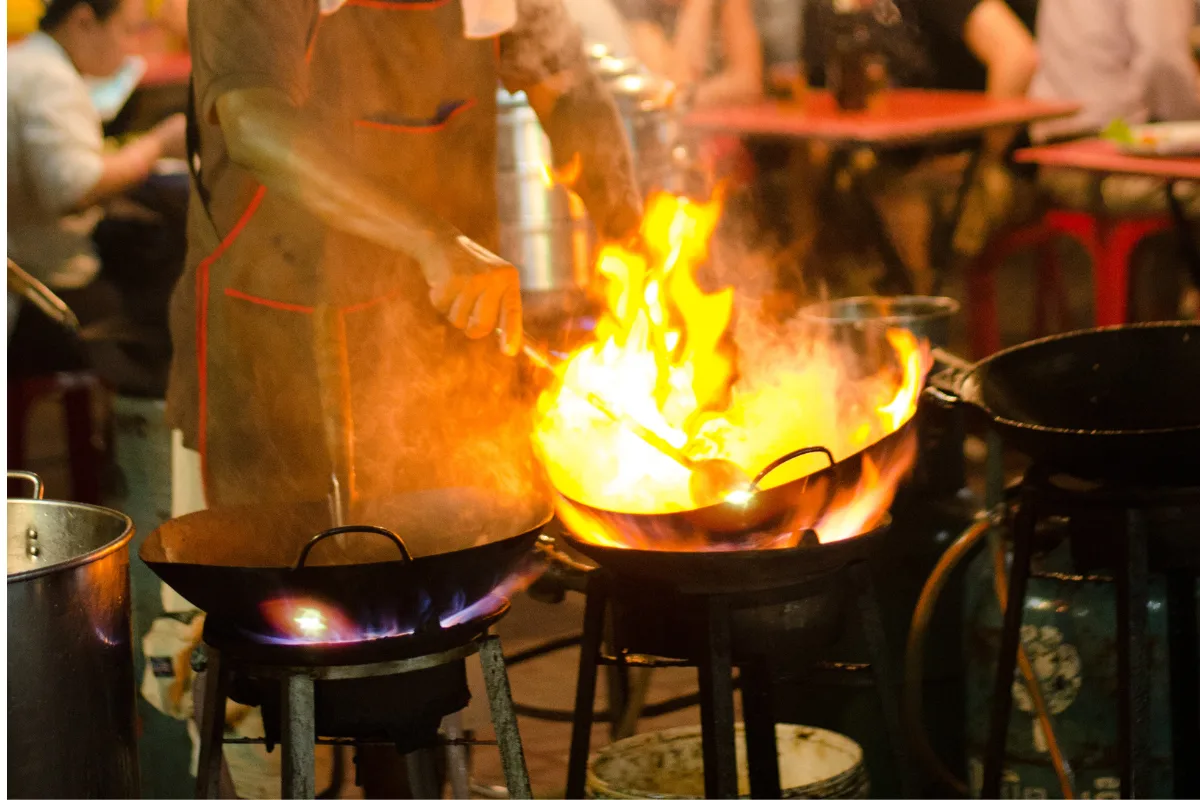
🧭 Overview & Full-Day Itinerary: Yaowarat Golden Triangle: While Yaowarat Road explodes into neon-lit culinary ecstasy after dark, neighboring Talad Noi and Song Wat Road shine brightest between 10:00 AM and 17:00 PM for boutique cafe hopping, photography, and heritage walks. Combining daytime exploration of Song Wat and Talad Noi with an evening food crawl in Yaowarat creates the quintessential full-day Bangkok itinerary.
Talad Noi: Industrial Heritage, Cafes & Street Art 🎨
Tucked immediately south of the main Yaowarat artery, bordering the historic Charoen Krung creative district, lies Talad Noi (literally translating to "Little Market"). Established in the late 18th century following the founding of Bangkok, Talad Noi originally served as an industrious riverine settlement of Portuguese and Chinese blacksmiths, iron founders, and boat builders. Throughout the 20th century, the neighborhood became famous as the epicenter of Sieng Kong — a sprawling labyrinth of family-run auto-part repair shops and mechanical salvage yards.
Today, Talad Noi is experiencing an extraordinary organic Renaissance. Walking through its narrow, vehicle-free alleys (sois), visitors encounter stacks of engine blocks and rusty vintage gears sitting harmoniously beside sophisticated third-wave cafes and vivid street murals. Rather than displacing long-time residents, this artistic revitalization celebrates the community's industrial roots, turning grease-stained mechanic garages into creative havens.
🌟 Top Highlights in Talad Noi (So Heng Tai, Mother Roaster, Murals)
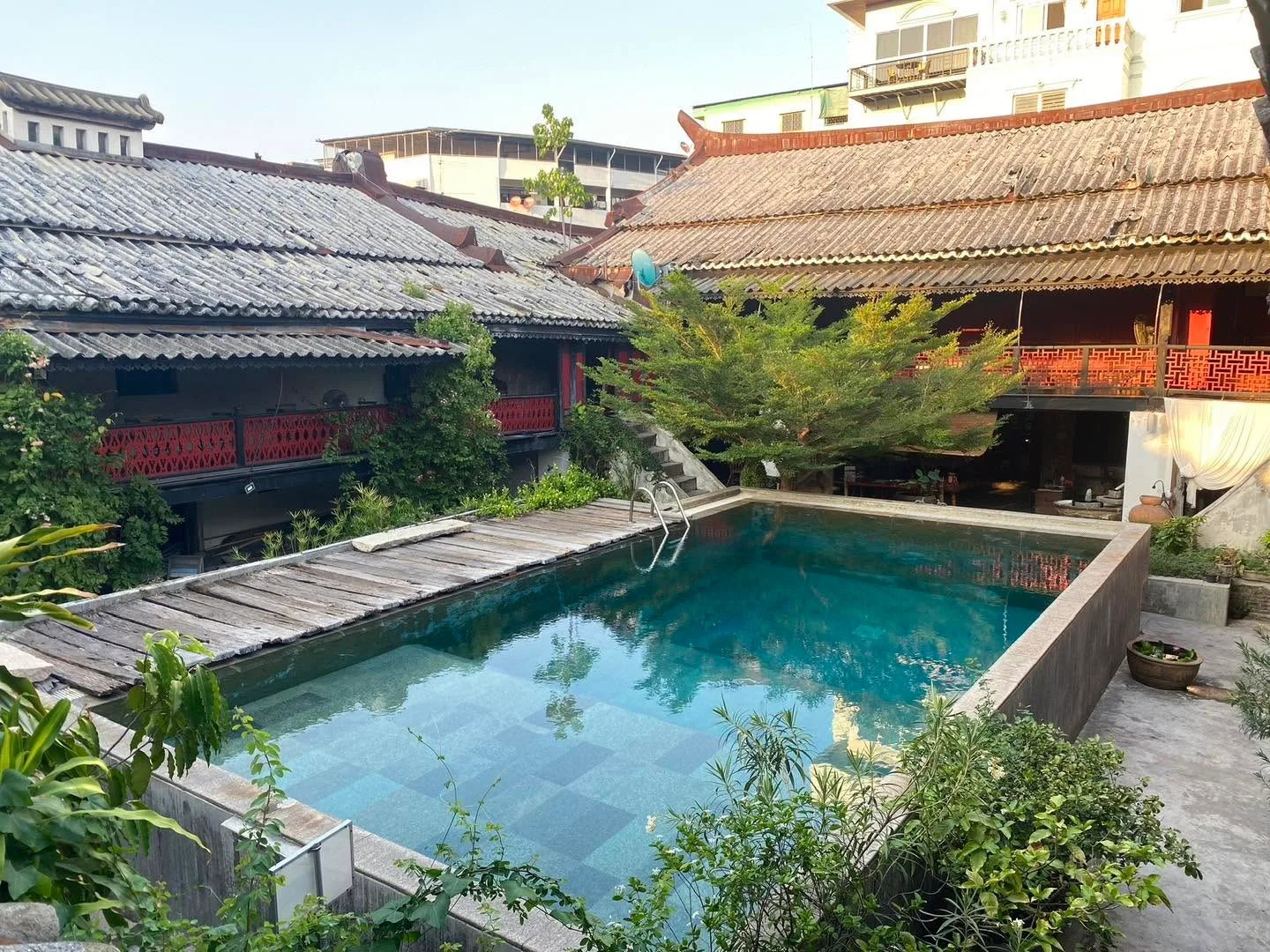
- So Heng Tai Mansion (คฤหาสน์โซวเฮงไถ่): A magnificent, over 230-years-old traditional Hokkien Chinese courtyard mansion built in the Four Houses Facing Courtyard (Siheyuan) style. Lovingly maintained by the eighth-generation descendants of the Posayachinda family, this private residence features intricately carved golden teak beams, a tranquil koi pond, and an astonishing deep commercial scuba-diving training pool installed in the central courtyard where visitors can sip refreshing iced plum tea.
Opening Hours: Tuesday-Sunday 09:00-18:00 (Closed every Monday)
Address: 282 ซอย ดวงตะวัน ตลาดน้อย เขตสัมพันธวงศ์ กทม.10100, Bangkok, Thailand, 10100
Reference information: https://www.facebook.com/Sohengtai/
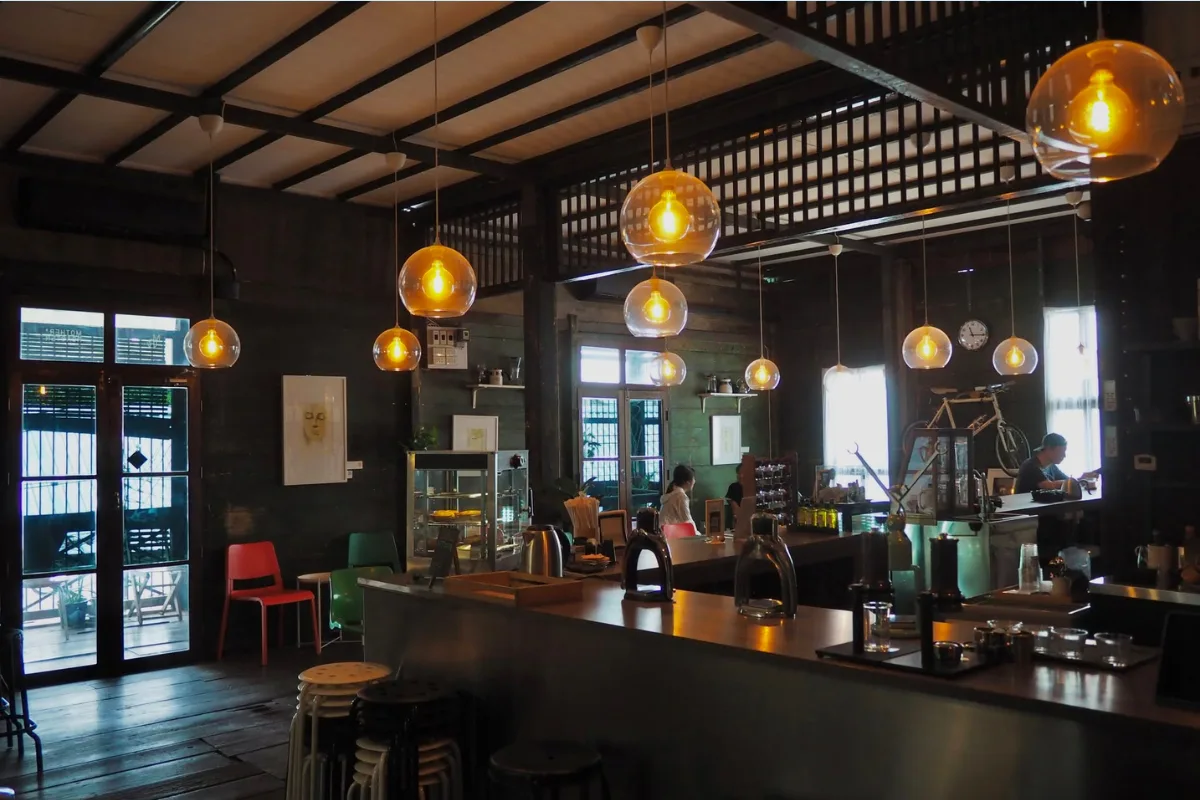
- Mother Roaster: One of Bangkok’s most legendary specialty coffee destinations. Hidden on the upper wooden floor of a working scrap metal warehouse on San Chao Rong Kueak alley, this atmospheric cafe is presided over by an inspiring senior barista known affectionately as "Mother" (Pae Keng), who pulls exquisite manual pour-overs and espresso creations using single-origin Thai and international beans.
Opening Hours: (Daily) Mon-Sun 09:00-17:00
Address: 1172 San Chao Rong Kueak, Talat Noi, Samphanthawong, Bangkok, Thailand, 10100Reference information: https://www.facebook.com/motherroaster/
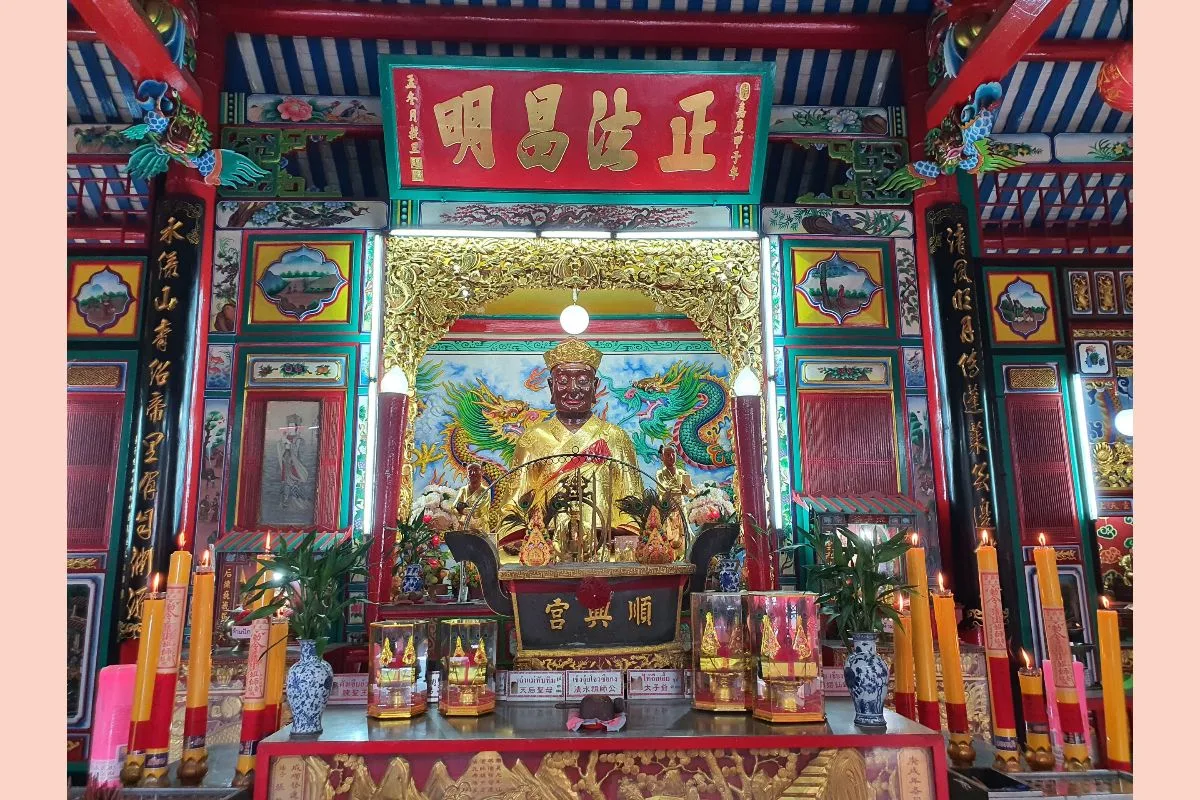
- Chow Sue Kong Shrine (ศาลเจ้าโจวซือก๋ง): Situated right along the Chao Phraya riverbank, this revered shrine was built in 1804 by Hokkien settlers. Dedicated to the deity of healing and medicine, the shrine features sweeping tiled gables, coiled dragon pillars, and an atmosphere thick with fragrant sandalwood incense. It serves as an emotional spiritual sanctuary for the neighborhood.
Opening Hours: (Everyday) Mon-Sun 06:00-16:00
Address: 758 ซอยภาณุรังษี ถนนทรงวาด แขวงตลาดน้อย, Bangkok, Thailand, 10100
Reference information: https://www.facebook.com/ChowSueKongTJK/
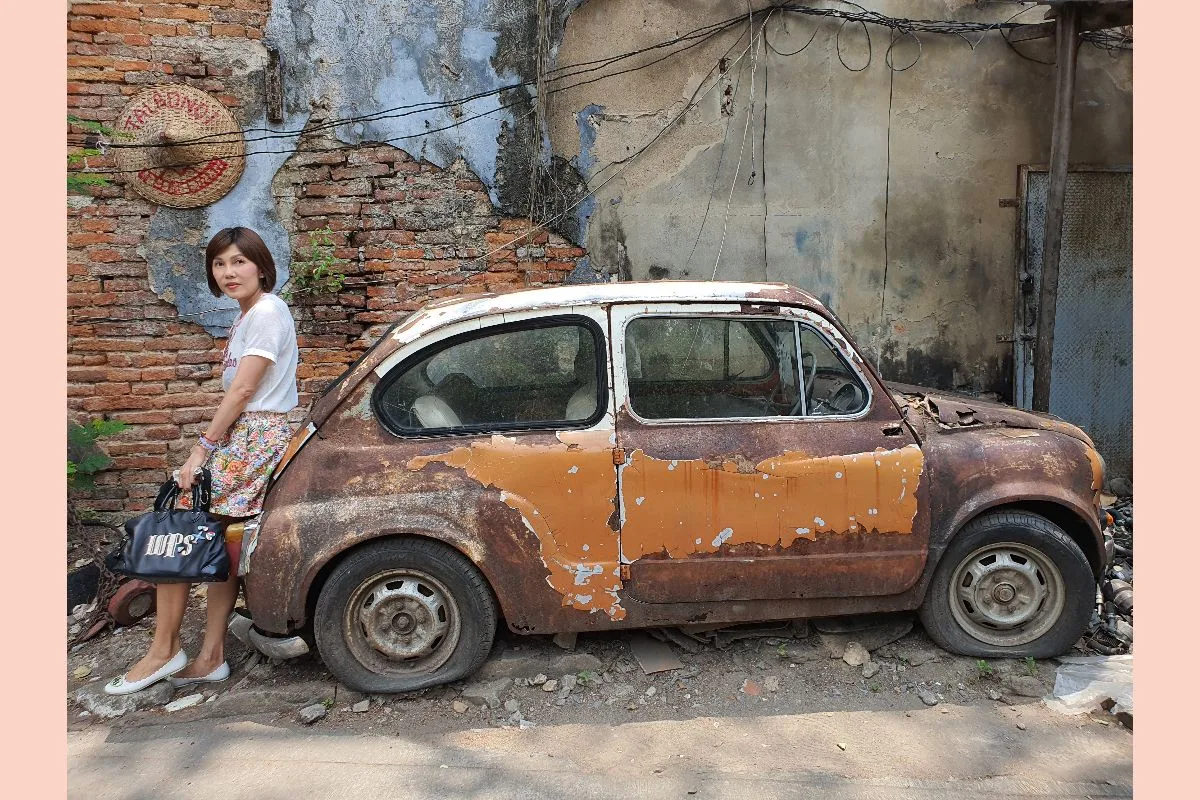
- Vibrant Street Art & The Vintage Orange Fiat: The twisting alleyways of Soi San Chao Rong Kueak are adorned with murals depicting Chinese opera singers, iron craftsmen, and daily river life. Don't miss the weathered orange 1960s Fiat 500 car permanently parked against a brick wall overgrown with sacred bodhi roots—one of Bangkok’s most photographed street scenes.
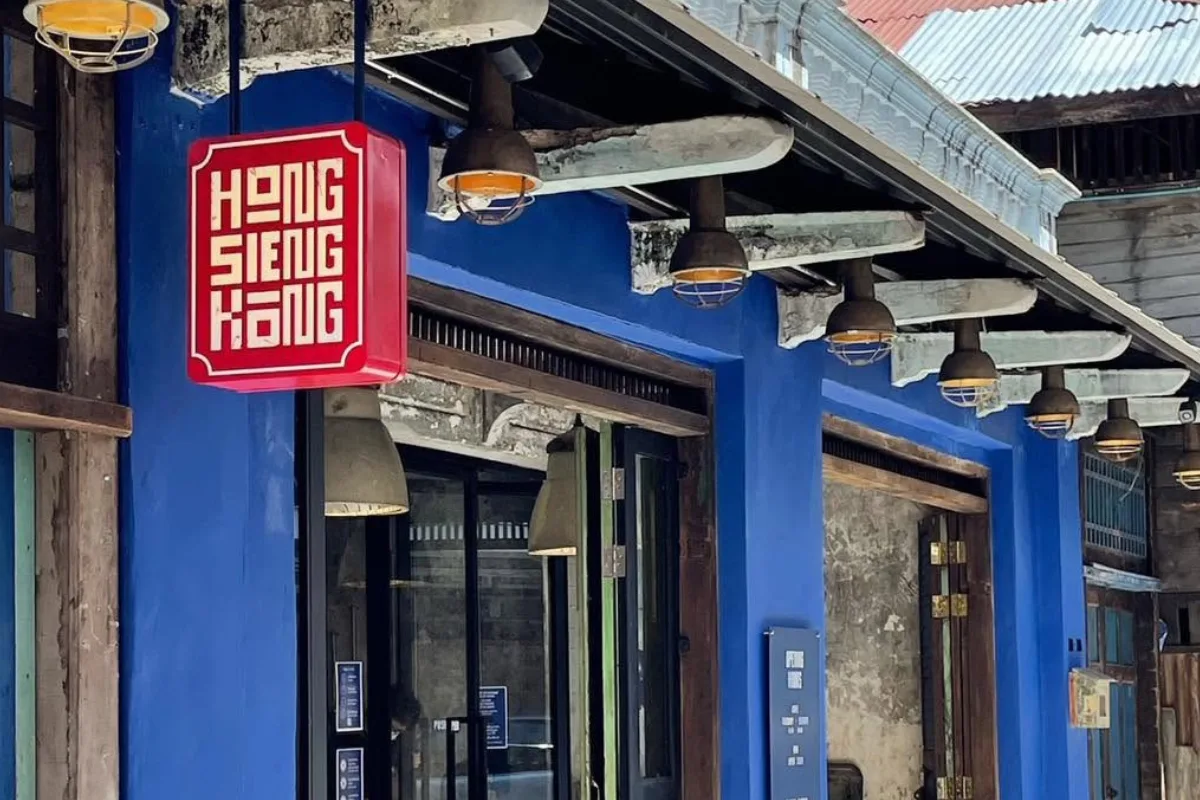
- Hong Sieng Kong: A sprawling lifestyle cafe and art gallery complex composed of multiple restored hundred-year-old wooden shophouses on the riverfront, furnished with museum-grade Chinese antiques, lush indoor trees, and live acoustic music.
Opening Hours: Tuesday-Sunday 10:00-20:00 (Closed every Monday)
Address: 734-736 Trok Vanich 2, Talut Noi, Samphanthawong, Bangkok, Thailand, 10100
Reference information: https://www.facebook.com/HongSiengKong/
Song Wat Road: The Renaissance of Bangkok’s Maritime Soul ☕🏛️
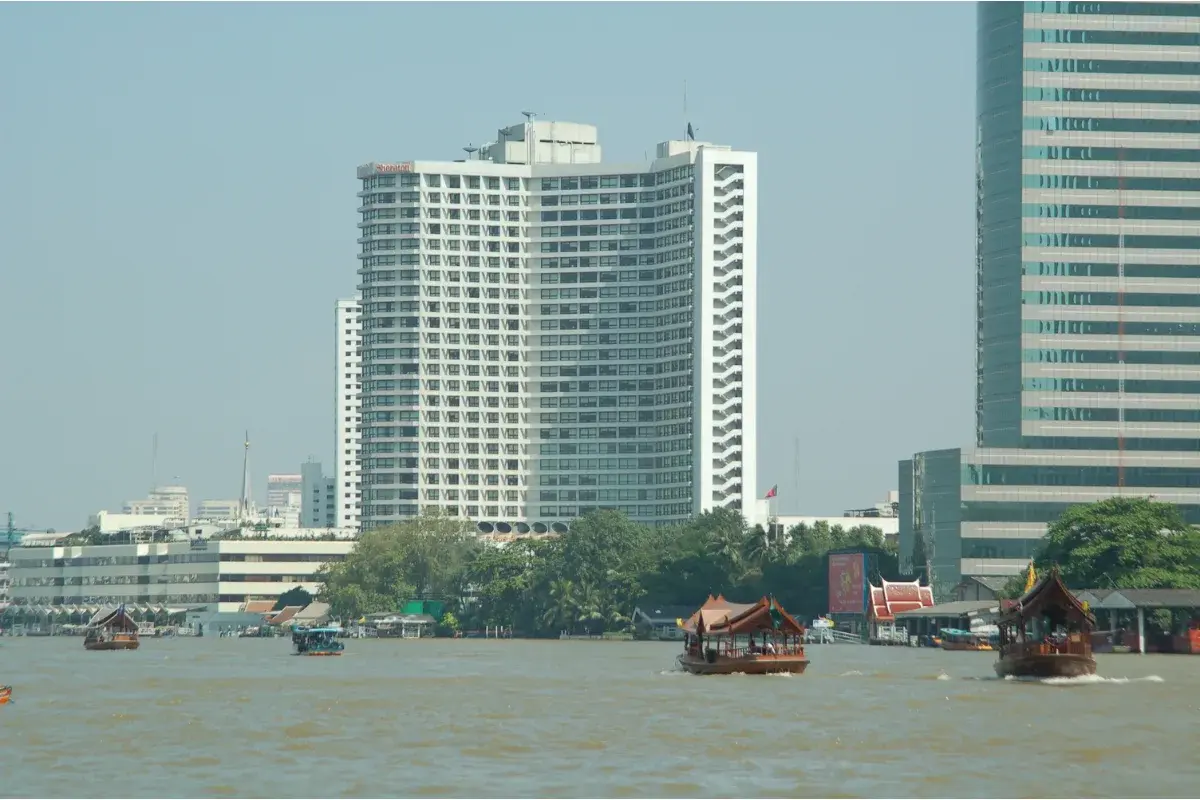
Running parallel to the Chao Phraya River, Song Wat Road was built during the reign of King Chulalongkorn (Rama V) following the Great Sampheng Fire of 1892. Recognizing the need for a wider commercial road connecting Bangkok’s bustling trading district to its riverside piers, the King personally selected the road’s alignment. Its name, Song Wat, means “drawn by the King,” reflecting its royal origins.
For generations, Song Wat served as one of Bangkok’s most important wholesale trading corridors. Merchant boats and steamboats arrived along the Chao Phraya River, bringing goods to its riverside warehouses. Sacks of rice, dried spices, shallots, garlic, herbs, and imported Chinese tea were unloaded and stored in imposing brick warehouses and traditional shophouses, making the area a vital center of Siam’s maritime commerce.
After decades as a traditional trading neighborhood, Song Wat Road is now experiencing a creative revival. Its historic Chinese-European architecture, weathered facades, and heritage shophouses provide a distinctive backdrop for independent cafés, art galleries, creative studios, and local eateries. A new generation of Thai entrepreneurs, architects, and artists is breathing life into the neighborhood while preserving its connection to the past.
Initiatives such as "Made in Song Wat" reflect a growing commitment to revitalizing the area without losing its architectural character or commercial heritage. Many of the people contributing to this transformation have deep family ties to the neighborhood, with some carrying forward businesses and traditions established by earlier generations of Song Wat merchants.
Today, Song Wat offers a fascinating glimpse into Bangkok’s evolving identity, where historic trading houses coexist with contemporary creative culture. More than just a trendy destination, it is a living heritage district where the stories of Chinese merchants, riverside commerce, and modern Bangkok continue to unfold along the same historic streets.
☕ Must-Visit Cultural & Food Stops on Song Wat:
- F.V. (Fruits and Vegetables): A visionary heritage dessert cafe that reclaims forgotten indigenous Thai fruits and medicinal herbs. Housed within a high-ceilinged shophouse featuring an authentic Northeast Thai wooden barn frame reconstructed indoors, F.V. serves artistic drinks like roasted rice tea, water chestnut granita, and traditional savory sweetmeats.
- Pieces Cafe & Bed: An ultra-minimalist, charming shophouse cafe famous for its whimsical "Miti" breast-shaped cream pastries, cold brew coffee, and micro-loft lodging that champions creative slow living.
- A-A-R-T (Art, Antique, and Refreshment): A multi-story creative gallery showcasing contemporary Southeast Asian paintings, ceramic exhibitions, and specialty matcha drinks.
- Historic Shophouse Architecture: Take time to gaze upward at the ornate second-story facades. You will spot striking Baroque and Art Deco stucco pediments, wooden louvered shutters, and hand-cast iron grills dating back to the late 19th and early 20th centuries.
- Song Wat Food Icons: Food lovers flock to Rong Klan Nuea for Michelin-worthy braised beef noodles simmered in twenty-spice broth, and Guay Tiew Khua Gai Song Wat for wok-charred flat rice noodles tossed with marinated chicken and crispy squid over roaring charcoal fire.
Song Wat Road Highlights
To delve into the culinary legacy of the surrounding streets, review our detailed guide to Famous Bangkok Chinatown Restaurants.
Yaowarat: The Grand Evening Food Spectacle 🍜🔥
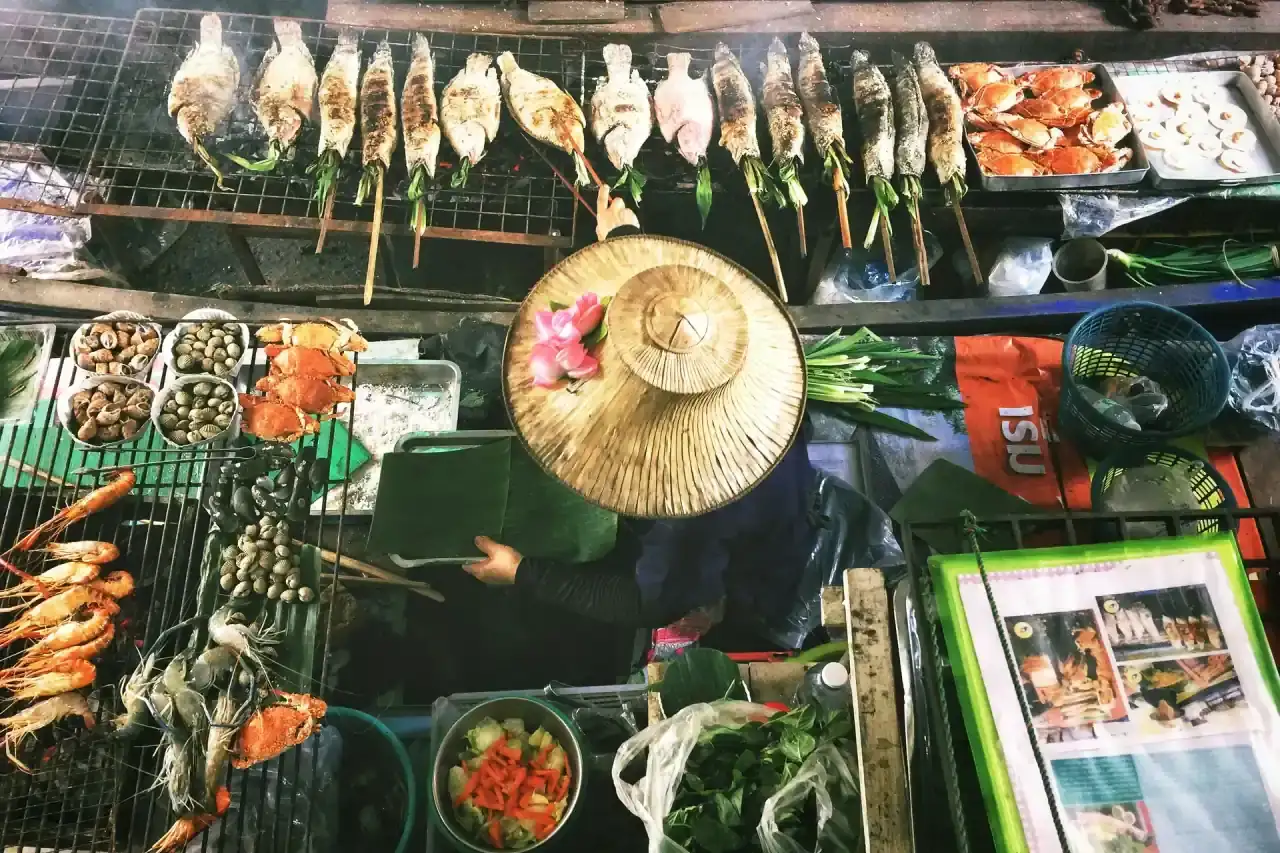
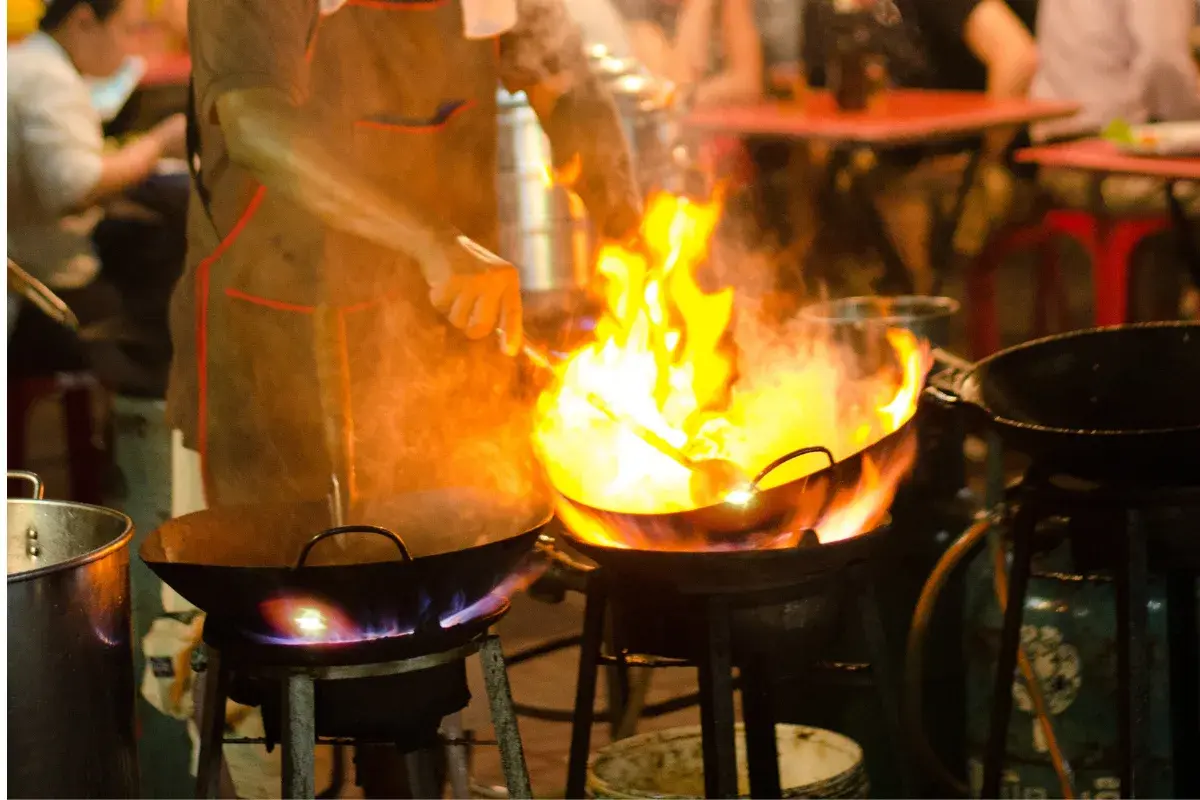
When twilight gives way to darkness, the calm cultural rhythm of Song Wat and Talad Noi transitions naturally into the exhilarating carnival of Yaowarat Road. Widely recognized by the prestigious Michelin Guide as the ultimate epicenter of global street dining, Yaowarat at night is an intoxicating sensory experience. Massive crimson and gold neon signs glow in Chinese script, tuk-tuks rumble through traffic, and hundreds of roadside cooks summon the roaring spirit of wok hei.
Your evening culinary checklist along the main strip must include:
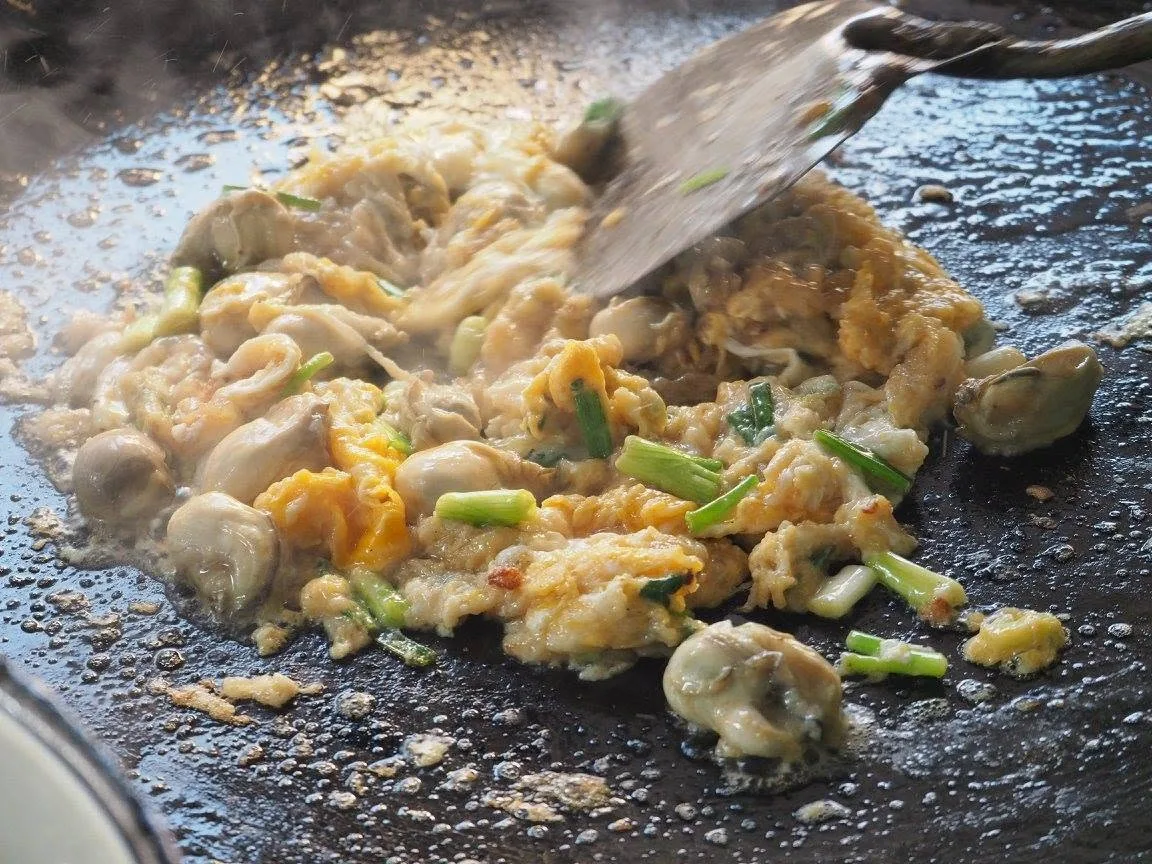
- Nai Mong Hoi Tod (Michelin Bib Gourmand): Located near Wat Mangkon on Phlap Phla Chai Road, this legendary master prepares crispy oyster omelets (Or Suan) fried over charcoal, achieving a shatteringly crisp batter while keeping the fresh gulf oysters plump, tender, and juicy.
Opening Hours: Wednesday-Sunday 10:00-16:00 (Closed every Monday-Tuesday)
Address: 539 Thanon Phlap Phla Chai, Bombrab Sathupai,, Bangkok, Thailand, 10100
Refernce information: https://www.facebook.com/hoithod539/?locale=th_TH
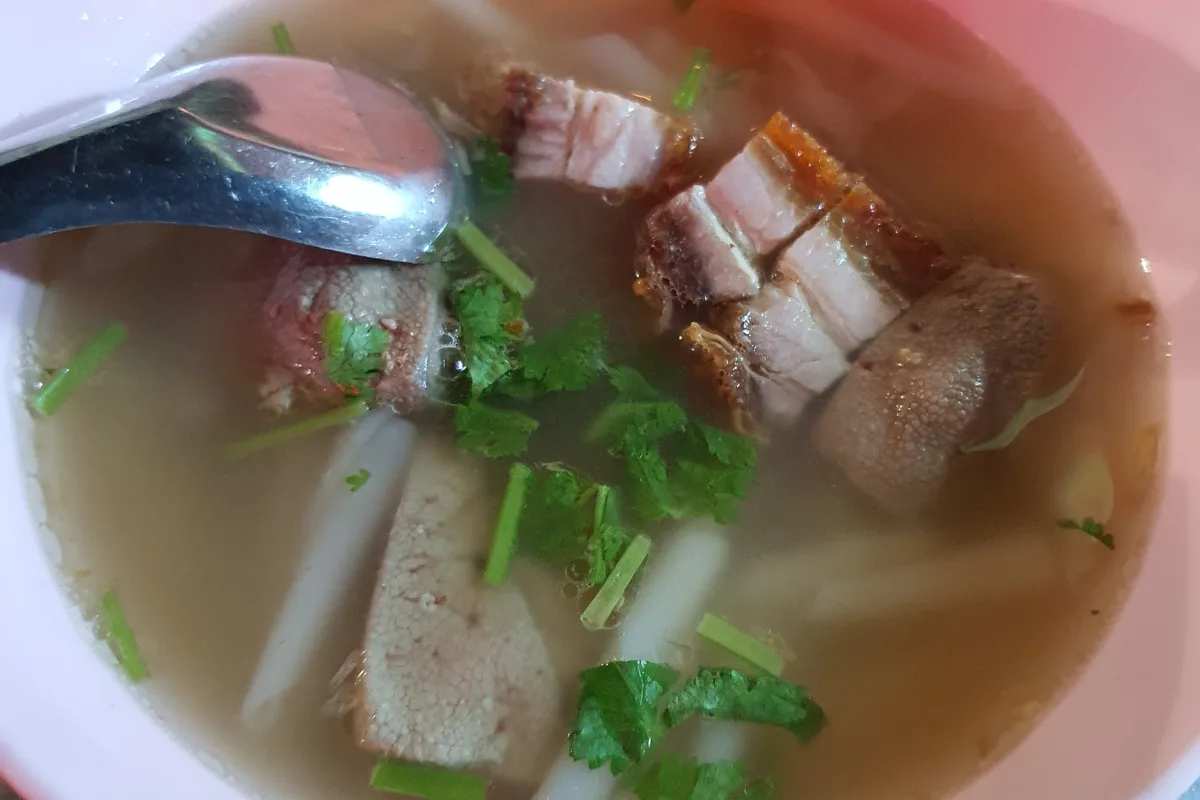
- Guay Jub Ouan Pochana: The Michelin-honored peppery rolled rice noodle soup served outside the old cinema, loaded with sinus-clearing broth and miraculous crackling pork belly.
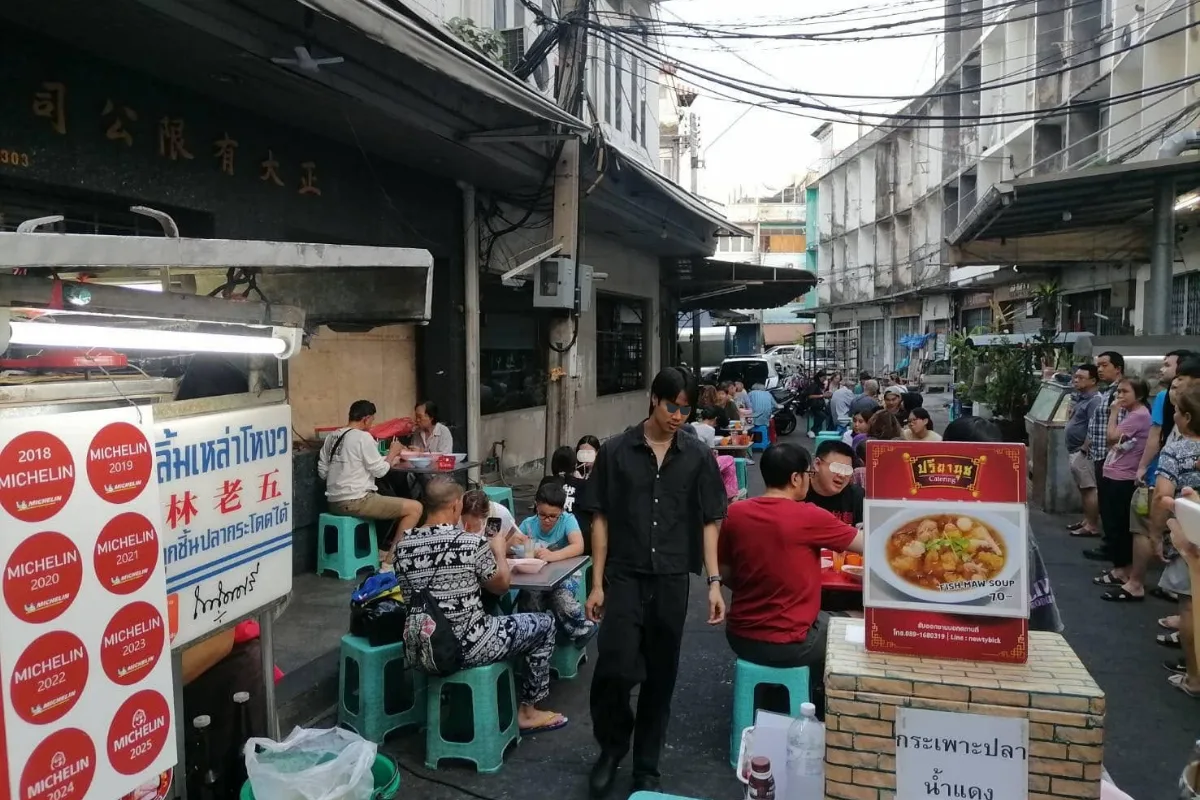
- Lim Lao Ngow Fishball Noodles: Over 80 years of hand-kneaded 100% fish meat noodles served on Song Wat and Yaowarat, celebrated as Bangkok’s famous "bouncing fishballs."
Opening Hours: Everyday 08:30 - 17:30
Address: 9 20 Charoen Krung Rd. Talat Noi, Samphanthawong, Bangkok 10100
Reference informatiom: https://www.facebook.com/limlaongowyaowarat
- Charcoal-Toasted Buns (Yaowarat Toasted Buns): Iconic street stall serving charcoal-grilled crispy buns with generous fillings like chocolate, condensed milk, and Thai tea in front of the GSB bank.
Address: 452 ถ. เยาวราช แขวงสัมพันธวงศ์ เขตสัมพันธวงศ์ กรุงเทพมหานคร 10100
- Herbal Bitter Teas & Sweet Dessert Soups: Traditional carts serving iced chrysanthemum tea, pennywort elixir, and Sweettime’s cooling black sesame dumplings in chilled milk.
Address: 418 ถ. วรจักร แขวงจักรวรรดิ์ เขตสัมพันธวงศ์ กรุงเทพมหานคร 10100
How to Get There
-
By MRT Subway (Recommended):
-
Take the MRT Blue Line to Wat Mangkon Station (Exit 1).
-
Walk down Plaeng Nam Road (~8–10 minutes) to reach Song Wat Road, or step directly onto Yaowarat Road.
-
-
By Chao Phraya Express Boat:
-
Take the boat to Ratchawong Pier (N5). Walk 200 meters straight off the pier onto Song Wat Road.
-
-
By Private Car / Taxi:
-
Parking is available at Wat Chakkrawat Parking, Chang Parking Lot, or nearby commercial garages for an hourly fee. (Note: Parking spaces are limited on weekend evenings).
-
The Perfect Full-Day Walking Itinerary (Song Wat ➔ Talad Noi ➔ Yaowarat)
To experience this dynamic triangle without backtracking or battling mid-day heat, follow this carefully crafted full-day itinerary:
- 13:30 – 15:00 | Song Wat Architectural Stroll & Artisanal Coffee: Arrive via Chao Phraya Express Boat at Ratchawong Pier or MRT Wat Mangkon (Exit 1). Walk down Song Wat Road, admiring the 19th-century colonial-Chinese shophouses. Pop into Pieces Cafe or F.V. for rare herbal refreshments, and browse local independent art galleries.
- 15:00 – 17:30 | Talad Noi Alleyways & Heritage Mansions: Follow the riverbank south into Talad Noi. Explore the labyrinth of Soi San Chao Rong Kueak, photograph the colorful murals and vintage Fiat, enjoy an afternoon pour-over at Mother Roaster, and pay homage at the ancient So Heng Tai Courtyard Mansion and Chow Sue Kong Shrine.
- 17:30 – 18:30 | Golden Sunset at the Riverfront: Relax by the river at Hong Sieng Kong or take a breather at Holy Rosary Church (Wat Kalawar) at the edge of Talad Noi, watching longtail boats zip along the Chao Phraya River as dusk settles.
- 18:30 – 21:30 | Yaowarat Street Food Extravaganza: Walk back into central Yaowarat Road via Soi Plaeng Nam. Dive headfirst into the neon night market: sample Michelin Bib Gourmand oyster omelets, peppery Guay Jub, charcoal-grilled buns, and fresh coconut desserts.
Ready to Explore Chinatown Like a Local?🚶♂️✨
Navigating Chinatown’s maze of hidden alleys and finding authentic food stalls can be overwhelming. Let our passionate local guides show you the secret spots, share historical stories, and introduce you to the best dishes!
Book Your Authentic Bangkok Chinatown Walking Tour
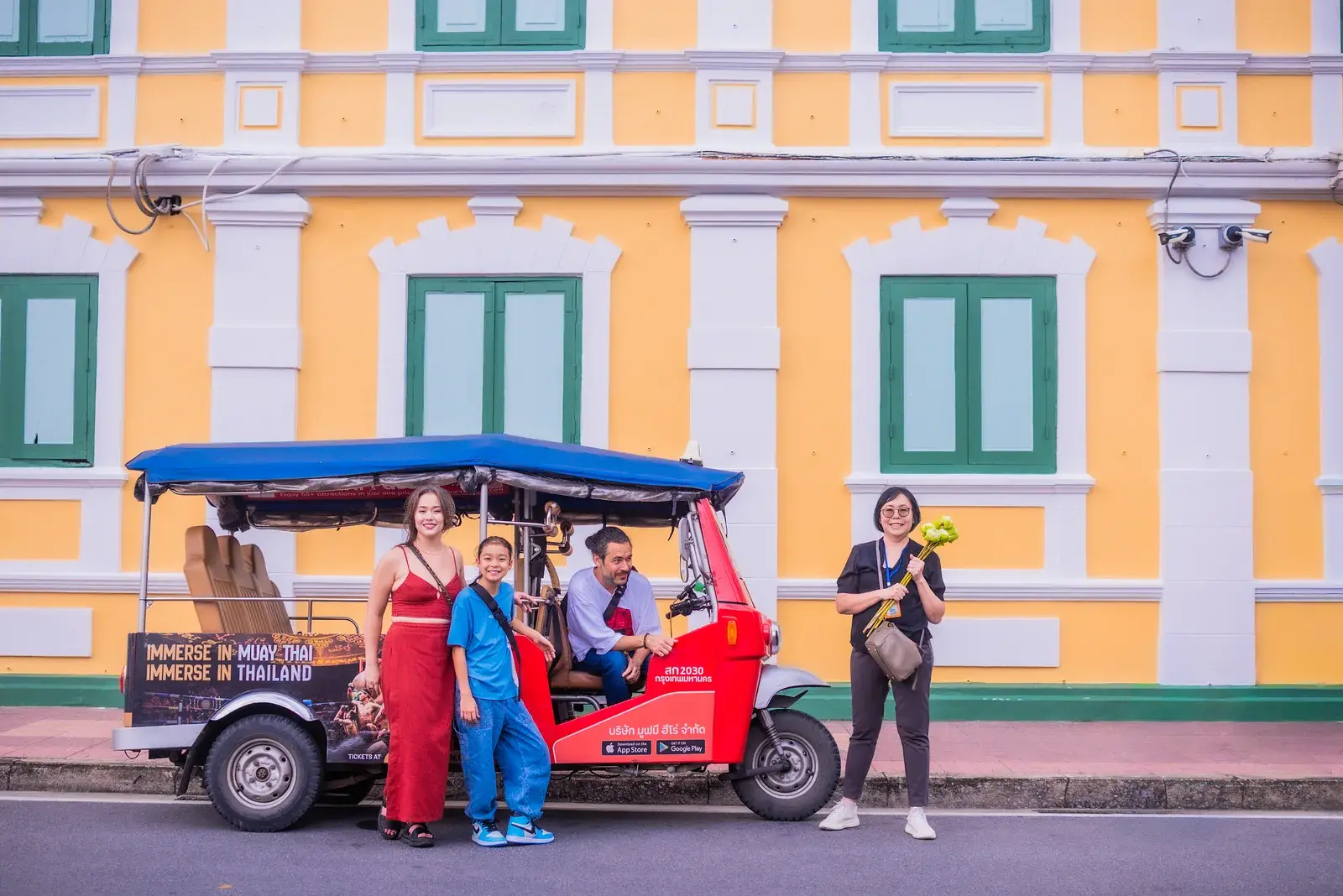
👉 Bangkok Chinatown Walking Tour or our eco-friendly 2-Hour Bangkok Cultural Discovery by Electric Tuk-Tuk.
Frequently Asked Questions (FAQ) for Exploring Yaowarat, Talad Noi & Song Wat
คำถามที่พบบ่อยและข้อมูลสำคัญที่คุณควรรู้ รวบรวมโดยผู้เชี่ยวชาญท้องถิ่น
Q1 What is the relationship between Yaowarat, Talad Noi, and Song Wat?
These three districts form Bangkok's historic Chinatown heritage triangle. Yaowarat is the main commercial boulevard, world-famous for evening street food and gold shops; Song Wat Road was the historic riverside wholesale trading port now revitalized into a chic cafe and art corridor; and Talad Noi is the ancient blacksmith and auto-parts craft quarter celebrated for intimate alleyways, street murals, and heritage mansions. Together, they represent over 200 years of living Thai-Chinese culture.
Q2 How do I get to Song Wat Road and Talad Noi using public transport?
The easiest transit options are:
- MRT Subway: Take the MRT Blue Line to Wat Mangkon Station (Exit 1). From there, it is an 8-minute walk to Song Wat Road and 12 minutes to Talad Noi. Alternatively, exit at Hua Lamphong Station, which is an easy 10-minute walk into eastern Talad Noi.
- Chao Phraya Express Boat: Alight at Ratchawong Pier (N5) to land directly at the start of Song Wat Road, or disembark at Marine Department Pier (N4) to step straight into the heart of Talad Noi.
Q3 What is the best time of day to explore Talad Noi and Song Wat?
The optimal window to explore Talad Noi and Song Wat is between 11:00 AM and 17:00 PM. During these daytime hours, cafes, art galleries, community museums, and historic shrines are fully open, and natural sunlight illuminates the colorful street murals. After 17:30, transition across to Yaowarat Road just as the night food stalls come alive.
Q4 Can I visit So Heng Tai Mansion, and is there an entrance fee?
Yes, visitors are welcome to visit So Heng Tai Mansion. While there is no mandatory ticket price, guests are respectfully asked to support the conservation of this 230-year-old private heritage home by purchasing a drink (such as iced plum tea, coffee, or soda, priced around 50–90 THB) from their family-run cafe bar in the courtyard.
Q5 Is it safe to wander through the narrow alleyways of Talad Noi alone?
Talad Noi is exceptionally safe, peaceful, and hospitable for solo travelers, families, and female explorers. The local residents—many of whom have lived in the neighborhood for five generations—are very welcoming. As in any urban destination, simply remain aware of occasional passing motorbikes in narrow lanes and keep personal valuables secure.
Q6 What is the "Made in Song Wat" initiative?
"Made in Song Wat" is a collaborative grassroots neighborhood movement founded by local business owners, heritage advocates, and young entrepreneurs. Their goal is to sustainably revitalize Song Wat Road through curated neighborhood guidebooks, architectural walking tours, cultural pop-up events, and design festivals, all while preserving the area’s historic fabric and century-old spice traders.
Q7 How long should I budget to walk the entire cross-century route?
To comfortably explore all three neighborhoods without rushing, budget between 4 to 6 hours. This allows ample time for visiting So Heng Tai Mansion, wandering street art alleys in Talad Noi, sipping single-origin coffee along Song Wat, browsing creative shops, and enjoying a multi-course dinner crawl along Yaowarat Road.
Q8 Are there vegetarian or vegan dining options in Talad Noi and Song Wat?
Yes. Both neighborhoods feature fantastic plant-based dining. Talad Noi is deeply tied to Chinese Buddhist traditions and houses longstanding vegetarian (Je) noodle stalls, especially near Chow Sue Kong Shrine. On Song Wat Road, cafe F.V. serves 100% vegetarian plant-forward herbal snacks and traditional fruit refreshments, while modern cafes offer oat and soy milk alternatives.
Q9 What photography etiquette should I follow when photographing in Talad Noi?
While street photography and casual portrait taking are widely embraced, always remember that Talad Noi is a working residential and commercial neighborhood. Avoid blocking mechanic workshops where craftsmen are welding or repairing engine parts, refrain from photographing residents inside their private living quarters without permission, and never climb on historic relics or parked vintage vehicles.
Q10 Should I book a walking tour or explore the district independently?
While independent exploring is rewarding, booking a guided excursion like our Bangkok Chinatown Walking Tour unlocks hidden architectural history, introduces third-generation shop owners, navigates secret connecting alleyways, and ensures you sample the absolute finest historic culinary dishes without getting lost.
Q11 Conclusion: A Living Bridge Across Centuries
In a 21st-century metropolis of gleaming skyscrapers and mega-malls, the interconnected streets of Yaowarat, Talad Noi, and Song Wat remind us of Bangkok’s enduring heart. By strolling slowly through these atmospheric alleys, listening to the clatter of mechanic tools, tasting complex century-old recipes, and marveling at contemporary art, you experience the timeless soul of the capital. It is an unforgettable journey through Siamese-Chinese history, artistic rebirth, and culinary brilliance that defines the magic of Thailand.